A good pair of grooming shears can feel almost invisible in your hand.
The blades move smoothly, the hair separates cleanly, and the cut feels controlled. Then, gradually, something changes. The shears start pushing instead of cutting, hair begins folding between the blades, and you find yourself using just a little more pressure than you used to.
That is often the point when professionals start asking the same question: how often sharpen grooming shears?
There is no single schedule that works for every stylist, barber, or groomer. How frequently you use your shears, what type of hair you cut, the quality of the shears, and how well you maintain them all affect when professional sharpening becomes necessary.
How Often Should You Sharpen Grooming Shears?
For many professionals, sharpening every 3 to 6 months is a reasonable maintenance range, but your shears should not be put on a calendar blindly.
A high-volume stylist or groomer may need attention sooner, while someone who uses the same shears less frequently may go longer. The better approach is to combine a general schedule with the way the shears actually perform.
In other words, how often sharpen shears depends less on an exact number of days and more on usage, cutting performance, and maintenance habits.
What Are the Signs Your Grooming Shears Need Sharpening?
You do not have to wait until a pair of shears stops cutting completely.
In fact, the early warning signs are usually much easier to spot:
- Hair starts pushing or folding instead of cutting cleanly.
- You feel more resistance during a cut.
- You are applying more pressure than normal.
- Cuts feel less consistent from heel to tip.
- Your hand or wrist starts feeling more fatigued during routine work.
- Thinning or specialty shears no longer perform the way they normally do.
These changes can be frustrating because the shears may still appear perfectly usable.
That is exactly why routine grooming shear sharpening matters. Performance often declines before the tool looks obviously damaged.
How Usage Changes Your Sharpening Schedule
A stylist who uses professional grooming shears all day will naturally put more wear on the edge than someone who uses them occasionally.
The same applies to groomers. Working continuously through different coat types can place different demands on grooming scissors, while barbers may use certain shears repeatedly throughout a busy day.
The Point Sharpening notes that sharpening frequency varies according to cutting frequency, hair type, cutting technique, and shear quality.
A simple way to think about it is:
| Usage pattern | What to watch for | Practical approach |
| Heavy daily use | Resistance, pushing, inconsistent cuts | Inspect frequently and expect more regular sharpening |
| Moderate professional use | Gradual loss of smooth cutting | Consider a routine 3–6-month schedule |
| Light or occasional use | Performance changes may appear slowly | Sharpen based on condition rather than a fixed calendar |
| Specialty or expensive shears | Changes in feel or edge performance | Use a sharpening service familiar with professional shears |
The important part is not treating the table as a rigid rule. Your shears tell you when performance is changing.
Why Sharp Grooming Scissors Matter to Professionals
Sharp shears are not simply about making the job feel easier.
When a shear cuts cleanly, the stylist, barber, or groomer can work with more control. When the blades begin pushing or pulling hair, the user may compensate by applying more pressure or repeating the cut.
That can affect the overall experience of the job.
The Point Sharpening identifies clean cutting, smooth movement, even tension, and reduced hand and wrist strain as characteristics of properly sharpened professional shears.
This is also why professional grooming shears should be treated differently from ordinary household scissors.
Their edge geometry, tension, and construction are part of how they perform. Sharpening should preserve those characteristics rather than simply removing material until the edge feels sharp.
What Happens During Professional Shear Sharpening?
Good grooming scissors sharpening is more involved than simply running the blades across a generic grinding wheel.
The Point Sharpening describes a process that includes inspecting the edge, alignment, pivot tension, and nicks before restoration. Their process also includes disassembly, edge restoration, honing, tension setting, and test cuts.
That matters because different shears require different treatment.
For example, the company specifically works with convex shears, straight bevel shears, curved shears, thinning shears, and chukers, along with various clipper blades.
A pair of specialty grooming shears should not be treated like a basic pair of household scissors.
Why Edge Design Matters
Professional shears can use different edge profiles, and the sharpening method needs to respect that design.
Convex shears, for example, require specialized handling to preserve the intended edge. Poor sharpening can change the geometry that gives the shear its characteristic cutting feel.
That is one reason choosing someone who understands professional shears is often more important than simply choosing the fastest or cheapest sharpening option.
How to Maintain Shears Between Sharpening’s
Professional sharpening is only part of shear maintenance tips.
Your daily habits can influence how long your shears continue performing well.
A practical maintenance routine includes:
- Clean the shears regularly. Remove hair, buildup, and residue after use.
- Keep the pivot properly lubricated. The Point Sharpening recommends oiling the pivot regularly to reduce friction.
- Store them safely. A protective case helps prevent unnecessary damage when the shears are not being used.
- Avoid cutting unsuitable materials. Professional hair shears should be used for their intended purpose rather than materials that can damage the edge.
- Check tension. Poor tension can change how the blades meet and how the shears feel during cutting.
These habits do not eliminate sharpening. They simply help you get more consistent performance between professional services.
A Simple Maintenance Rule for Stylists, Barbers, and Groomers
Instead of remembering one fixed date, use a three-part check:
Feel it. Watch it. Schedule it.
Feel it: Notice changes in resistance, smoothness, or hand fatigue.
Watch it: Pay attention to hair pushing, folding, snagging, or inconsistent cutting.
Schedule it: Once you notice performance beginning to decline, arrange professional sharpening rather than continuing until the shears become difficult to use.
This approach is especially useful for busy professionals because it connects maintenance to real performance rather than an arbitrary date on the calendar.
What Most Professionals Get Wrong About Shear Sharpening
One common mistake is waiting until the shears are obviously dull.
By that point, the tool may already be affecting your workflow.
Another mistake is assuming every sharpening service is interchangeable.
Professional grooming shears can have specialized edge profiles and construction, so a generic sharpening approach may not be appropriate. The Point Sharpening specifically emphasizes specialized experience with shear types such as convex, straight bevel, curved, thinning, and chunkier shears.
Do This, Not That
Do this: Pay attention to how your shears feel during normal work.
Not that: Wait until they barely cut before servicing them.
Do this: Choose a sharpener familiar with professional shears.
Not that: Treat expensive grooming shears like ordinary household scissors.
Do this: Maintain the pivot, cleanliness, and storage between services.
Not that: Expect sharpening alone to compensate for poor daily care.
How Often Should Dog Groomers Sharpen Their Shears?
Dog grooming shears can experience significant use, especially in busy grooming environments.
There is still no universal interval because frequency depends on how often the tools are used, the type of coats being handled, technique, and the quality of the shears.
For groomers, the best indicator is performance.
When scissors that normally glide through the coat begin pushing, snagging, or requiring more pressure, it is time to inspect them rather than continuing to work around the problem.
The same principle applies to thinning shears and chukers. Specialty tools deserve attention from a sharpener who understands how those designs should perform.
Is Professional Sharpening Better Than DIY Sharpening?
For inexpensive household scissors, experimentation may seem harmless.
Professional grooming shears are a different matter.
Their edge geometry, balance, pivot, and tension all contribute to the way they cut. The Point Sharpening’s process includes inspection, edge restoration, honing, tension setting, and testing rather than simply grinding the blade.
That level of attention can matter when the shears are part of your everyday work.
A stylist or groomer may spend hundreds of dollars on quality tools. Protecting the condition of those tools can make more sense than risking damage with an unsuitable sharpening method.
When Should You Send Your Shears to a Professional?
A good time to schedule pet grooming tool maintenance or salon shear sharpening is when you notice a consistent change in performance.
You may be cutting the same hair you always do, using the same technique, but the shears simply do not feel the same.
That is a useful signal.
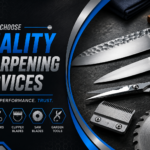
The Point Sharpening provides sharpening for stylists, barbers, and groomers and works with multiple shear styles, including convex, straight bevel, curved, thinning, and chunkier shears. The service page also describes professional sharpening equipment designed specifically for shears and hair clipper blades.
For professionals who depend on their tools every day, specialized service can be a practical part of routine maintenance rather than something reserved for damaged shears.
Keep Your Shears Performing Like Professional Tools
The answer to how often sharpen grooming shears is not simply “every few months.”
A better answer is: inspect them regularly, maintain them properly, and plan for professional sharpening based on how heavily they are used and how their cutting performance changes.
For many professionals, a 3–6 month sharpening cycle is a useful starting point, but heavy users may need attention sooner.
Most importantly, do not ignore the small changes.
When hair starts pushing instead of slicing cleanly, when resistance increases, or when the shears no longer feel smooth in your hand, those are signs worth acting on.
And when the time comes for grooming shear sharpening, the sharpener matters just as much as the schedule.
The Point Sharpening provides specialized sharpening for stylists, barbers, and groomers, including convex shears, straight bevel shears, curved shears, thinning shears, and chukers.
Schedule Stylists, Barbers and Groomers Sharpening and have your professional shears evaluated and sharpened with equipment designed specifically for this type of work.
FAQ
How often should you sharpen grooming shears?
Many professionals’ benefits from sharpening every 3–6 months, but heavy use, hair type, technique, and shear quality can change that schedule.
How do I know my grooming shears need sharpening?
Watch for increased resistance, hair pushing or folding, more pressure during cuts, inconsistent performance, or increased hand fatigue.
How often should professional grooming shears be sharpened?
There is no universal schedule. Regular professional use often calls for routine sharpening, with performance changes serving as an important indicator.
Can thinning and chunkier shears be sharpened?
Yes. Specialized sharpening services can work with thinning shears, chukers, curved shears, and other professional designs.
Can I sharpen grooming scissors myself?
DIY sharpening can be risky for professional shears because their edge geometry, tension, and construction require careful handling. Specialized sharpening is generally the safer choice for expensive professional tools.
How can I make my shears last longer between sharpening’s?
Clean them regularly, lubricate the pivot, store them safely, avoid cutting unsuitable materials, and keep the tension properly adjusted.
Does sharpening damage professional shears?
Proper sharpening is intended to restore the edge while preserving the tool’s design. A professional process can inspect alignment, tension, edge condition, and other factors rather than simply removing metal.
What should I look for in a grooming shear sharpening service?
Look for experience with professional shear types, appropriate equipment, careful inspection, and an understanding of specialized edges such as convex shears.
Where can stylists, barbers, and groomers get their shears sharpened?
The Point Sharpening offers dedicated sharpening for stylists, barbers, and groomers, including multiple professional shear styles and clipper blades. Learn about the sharpening service.